








CPG and Retail Interactions: A Roadmap for 2026

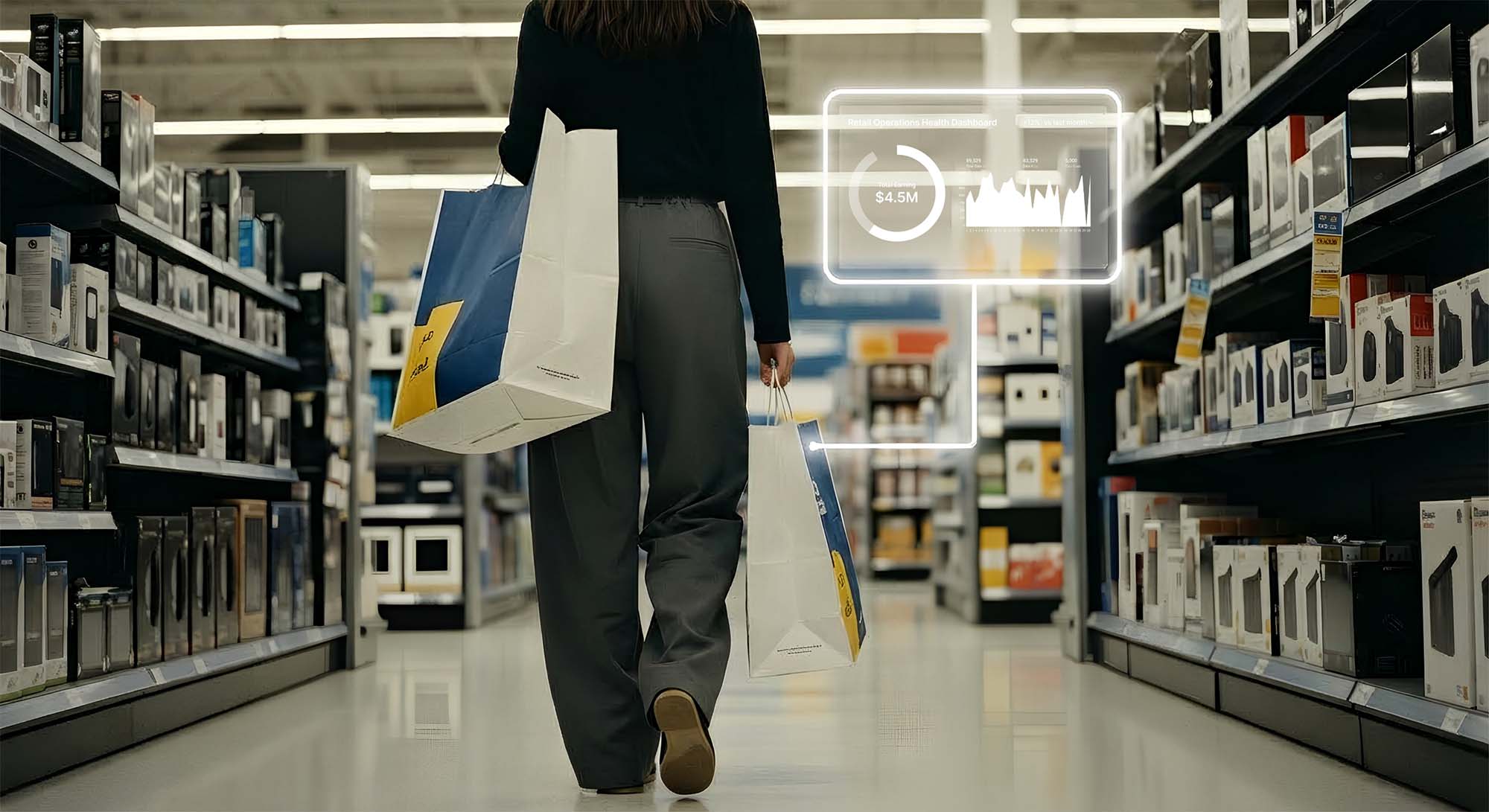
The relationship between consumer packaged goods (CPG) and retail companies has always been a swinging pendulum, both at a macro level and between individual companies. 2026 is shaping up to be no different, but the new year brings some emerging challenges.
Let’s take a look at those changing dynamics and what they will mean for both CPG and retail companies in 2026 and beyond.
The new relationship between CPGs and retailers is defined by a shift from transactional interactions to agentic and resilient partnerships. Meanwhile, the era of simple price-driven growth has ended, replaced by a mandate for volume growth through extreme efficiency and hyperpersonalization. To succeed in this environment, leaders must master three converging forces: the rise of autonomous commerce; the transition toward transparent, circular supply chains; and a fundamental renegotiation of value between national brands and retail media networks.
1. The rise of agentic commerce
We have moved past simple chatbots. In 2026, agentic AI—autonomous systems that can plan, compare, and execute purchases—is a primary interface.
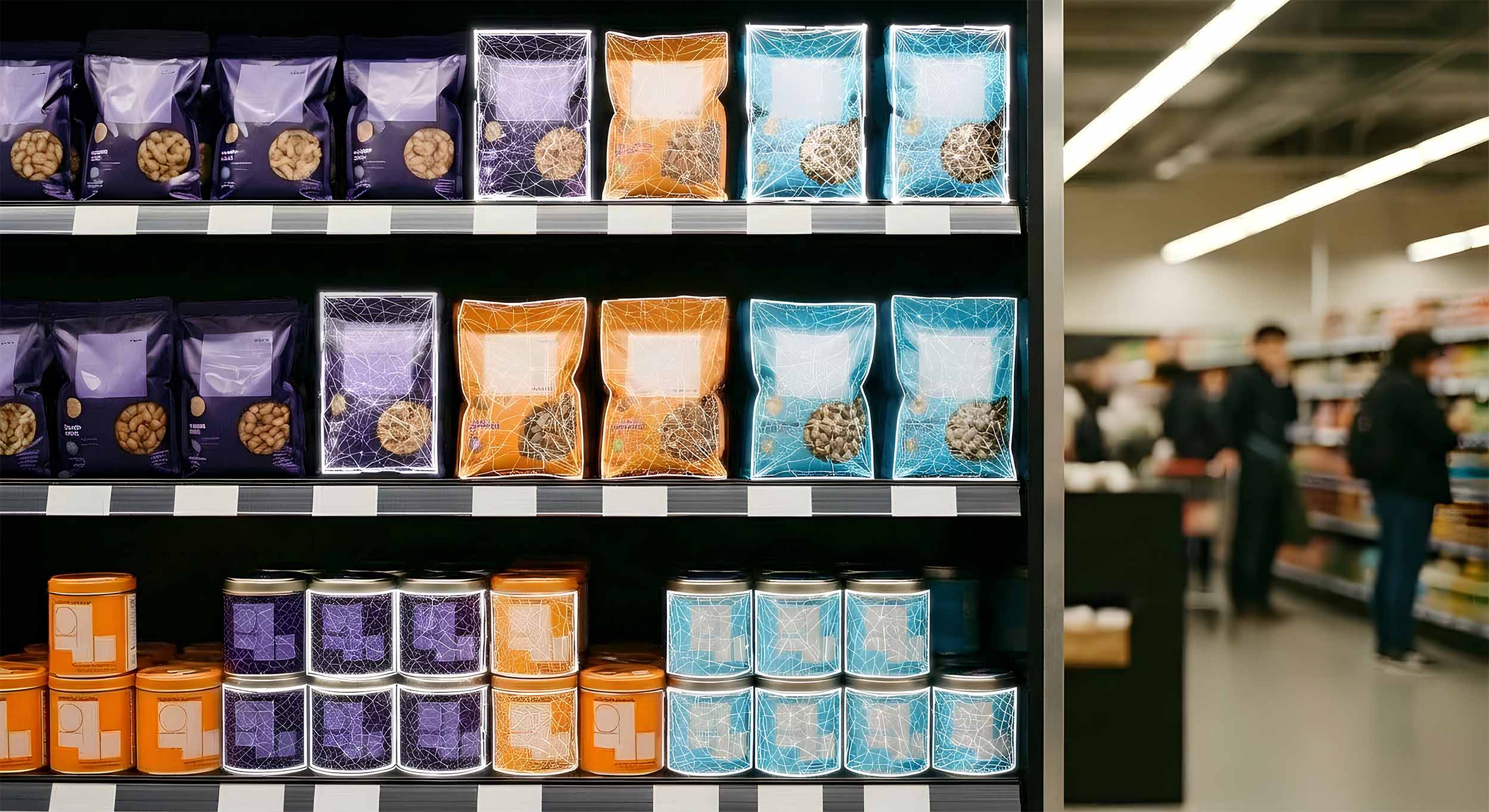
CPGs must optimize for machine-led discovery. If an AI agent is building a consumer’s basket based on “best value” and “sustainability rating,” brand loyalty is at risk. Unless the brand is visible to the algorithm through generative engine optimization (GEO), it effectively ceases to exist on this new digital shelf.
To remain relevant, brands and retailers are moving beyond basic API sharing to integrate real-time inventory and granular product data. The goal is to ensure AI assistants can accurately find and recommend their products based on complex, multi-attribute prompts (e.g., “Restock my pantry with organic, nut-free snacks under $40 total”).
2. Structural value-seeking and price fatigue
Inflation has cooled, but consumer behavior has permanently shifted. Nearly half of global consumers are now value seekers, prioritizing cost-conscious choices regardless of income level.
The issue with this shift is that retailers are pushing back on CPG price increases to protect their own traffic. This has created a ceiling on price-led growth, forcing manufacturers to find 2026’s “hidden” margins.
A massive shift toward private label as a loyalty lever is also underway. Retailers are no longer treating store brands as cheap alternatives but as premium value drivers. By investing in premium, organic, and exclusive lines, retailers are using private labels as a strategic tool to drive store loyalty. National brands are being pressured to prove their “shelf-worth” through innovation such as unique flavors or functional benefits.
3. The power shift between RMNs and brand marketing
Retailers have moved beyond their role as distributors to officially become “media moguls.” Retail media networks (RMNs) are no longer just digital banners; they are sophisticated ecosystems that track consumers and integrate experiences across the entire shopping journey.
CPGs are now spending more on retailer-owned advertising platforms than on traditional TV or social media advertising. This creates a pay-to-play environment for shelf space and consumer attention, both digital and physical.
To mitigate the rising costs of RMNs, sophisticated brands are transforming physical packaging into a digital tool. Using connected packaging (NFC/QR codes), CPGs can capture first-party data—such as consumer emails and usage habits—directly at the point of consumption by turning the physical product into a digital portal. This allows brands to build direct-to-consumer relationships, bypass the retailer’s data gate, and reduce the need to pay for repeated advertising to reach their own customers.
4. Tariff mitigation and “nimble” supply chains
Geopolitical volatility and new trade policies (tariffs) are the top operational concerns in 2026, elevating supply chain management to a top-tier strategic priority.
Estimates suggest that around 70% of tariff costs are being passed to consumers, but the remaining 30% must be absorbed. This is causing friction in retail-CPG negotiations over landed costs. When possible, sharing data as part of an open collaboration between retailers and CPG partners can help to identify opportunities to protect margins via logistical efficiency rather than adversarial pricing.
CPGs and retailers must transition from efficiency-optimized supply chains to “nimble” supply chains that prioritize agility. Companies are diversifying supplier bases and near-shoring production to bypass trade-sensitive routes, reducing the risk of policy shifts placing too much pressure on margins.
5. Sustainability as a compliance risk
Sustainability has shifted from a marketing “perk” to a regulatory mandate. In 2026, greenwashing—making unsubstantiated environmental claims to appeal to consumers—is met with heavy fines (up to 10% of global turnover in some regions).
Retailers are demanding circularity data from CPGs to meet their own ESG reporting requirements. This includes clear visibility into extended producer responsibility (EPR), where manufacturers are held financially and operationally accountable for the entire lifecycle of their products.
To manage this complexity, manufacturers are implementing digital product passports, unified data ledgers that track a product’s lifecycle from raw material to recycling. By maintaining this single source of truth, manufacturers and retailers can automate compliance reporting and provide the transparency both regulators and consumers demand.
From physical transactions to digitally integrated relationships
The shift from physical relationships to digital, integrated ecosystems between CPGs and retailers continues to accelerate. Both sides need to be prepared and embrace this new paradigm for work.
Those that succeed will differentiate themselves from their competitors, gain a larger share of consumer wallets, and position themselves for superior growth. But the challenges will be real and sometimes difficult. Legacy thinking can dominate. Dealing with data integrity will require investment. Safeguarding critical personal and competitive data can be a barrier.
The organizations that overcome these challenges will be seen as winners in the eyes of the consumer and with investors.
Are you ready for this interconnected new world?
We can helpMeet the Author
Gregg Clark is Managing Director, Consumer at Catalant, leading the company’s consumer business and bringing the value of Consulting 2.0 to consumer and retail companies. He also acts as faculty for the Institute for Mergers, Acquisitions and Alliances, a global not-for-profit M&A think tank and educational provider. Prior to joining Catalant, Gregg held senior management positions leading consumer strategy at EY, Accenture, and Capgemini, and he led Serenity Strategy, an independent consulting firm supporting leading enterprises through business strategy, digital transformation, advanced analytics, and M&A strategy and execution, for nearly 10 years. Gregg holds a Bachelor of Science in Electrical Engineering/Industrial Management from Purdue University.